Living and working as a designer / teacher in Japan and around the world.
Japanese Architecture I
Get link
Facebook
X
Pinterest
Email
Other Apps
-
I found this video interesting, though a little dramatic. His example of the inn that displays traditional architecture is a unnecessary but certainly a logical dramatic jump. Sometime shortly after the 3:30 mark, Alain says that you can't find a theme of precision and tradition anywhere in Tokyo, which is obviously an exaggeration. He later goes into some examples of modern designs that adhere to traditional rules. This is actually prevalent throughout most if not all things in Japan, if only in some kind of basic elements. Though, like everywhere else I've been I see a lot of cheaply made stuff from China. But concerning architecture, the Japanese are efficient with their space, more so than most other places, that's the biggest lesson I have learned from studying the buildings here.
The Japanese, by no means lose touch with their culture. Concerning historically sensitive things, his answer of getting out of Tokyo is like saying that every single inch/cm of Tokyo is ultra modern, he just hasn't seen the ancient buildings in Tokyo. This video is a an unnecessary dramatic exaggeration of the real Japan. While controversial it does get people thinking and I can appreciate that. Japan is more traditional than any palce i've been, their architecture is put on a practical level and always has been. On an island where wood is the main source, you make houses of wood, when technology offers more options you move on.
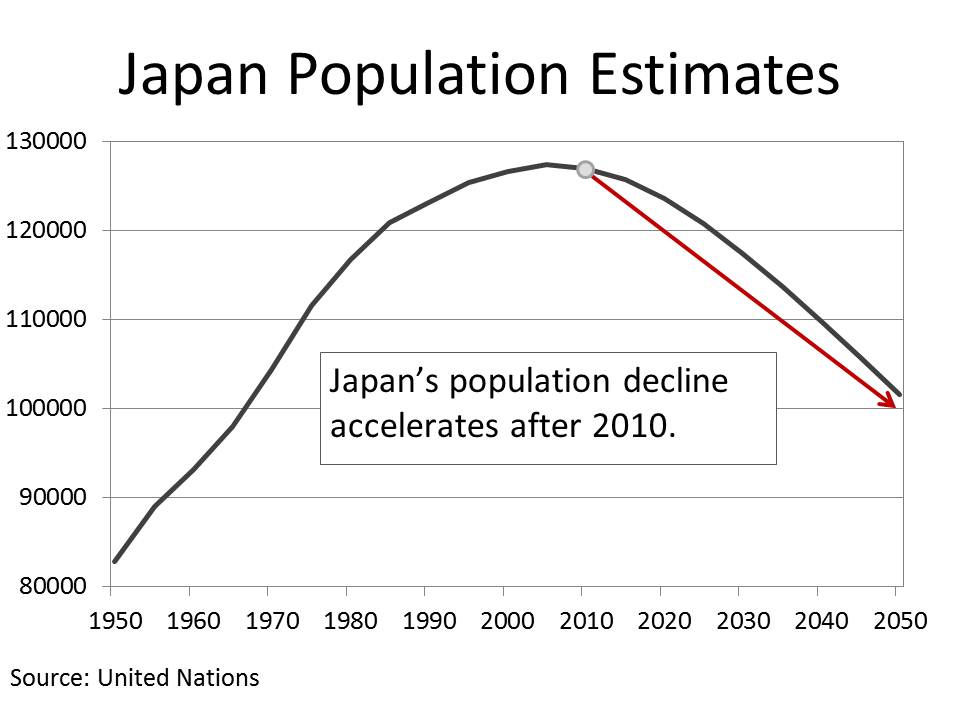
In 1950 Japan started down a new path to enter the world on a global scale. I believe that about 75 years after that new beginning, Japan will be ready. That's in 2025.
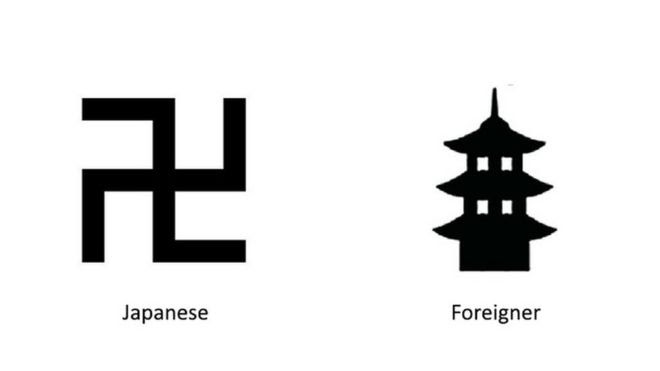
Important changes for understanding. Hypothetically, you've been placed on the lucky team of Graphic Designers who are charged with designing maps for the 2020 Olympics that is being held in Tokyo. Sentimental or Practical?
How immersion can cloud the waters of writing. By Alex Stratis 06.28.13 Perspective and writing about being an immigrant is like swimming in the ocean or lake.

Comments
Post a Comment